
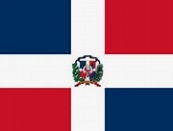
Three Pioneering Innovations That Changed the Game
The Dominican Republic has transformed from a small Caribbean nation into the world’s leading exporter of baseball talent. This transformation was not accidental — it was driven by three pioneering innovations that revolutionized how talent is discovered, developed, and showcased. From the first baseball academy that opened the pipeline to the majors, to an informal network of trainers that unearths raw talent from the poorest neighborhoods, to a winter league that dares to adopt new technologies before anyone else — the Dominican Republic’s innovations have reshaped the global baseball landscape.
This table 1 provides a comprehensive overview of the Dominican Republic’s three pioneering baseball innovations — the Epy Guerrero Academy Model, the LIDOM Technology Pioneer, and the Buscón Player Discovery System — including their scope, key milestones, and global impact.
Table 1. Gallery Overview
| Item | Details |
|---|---|
| Gallery Full Title | Dominican Republic Baseball Innovation Gallery — Three Pioneering Innovations (1973 – Present) |
| Time Span | 1973 – Present |
| Three Core Innovations | #1 Epy Guerrero Academy Model (First Baseball Academy, 1973), #2 LIDOM Technology Pioneer (First Winter League to Adopt PitchCom, Pitch Clock, Ghost Runner, and Robot Umpire), #3 Buscón Player Discovery System (Independent Trainer-Agent Network) |
| Core Impact | Transformed the Dominican Republic from a nation that had sent only 18 players to the majors before 1970 into the world’s leading source of baseball talent, with over 2,300 Dominican players now in professional baseball organizations |
| Key Milestones | 1973 (Epy Guerrero’s first academy), 1987 (first North American team academy, Dodgers), 2022 (LIDOM adopts ghost runner and PitchCom), 2023 (LIDOM adopts pitch clock and defensive shift restrictions), 2026 (LIDOM to debut robot umpire/ABS before the major leagues in the United States) |
| Uniqueness | A nation that created the modern baseball academy model, leads the world in technology adoption despite being a winter league, and runs a parallel, unofficial talent development system that exists alongside the official academies |
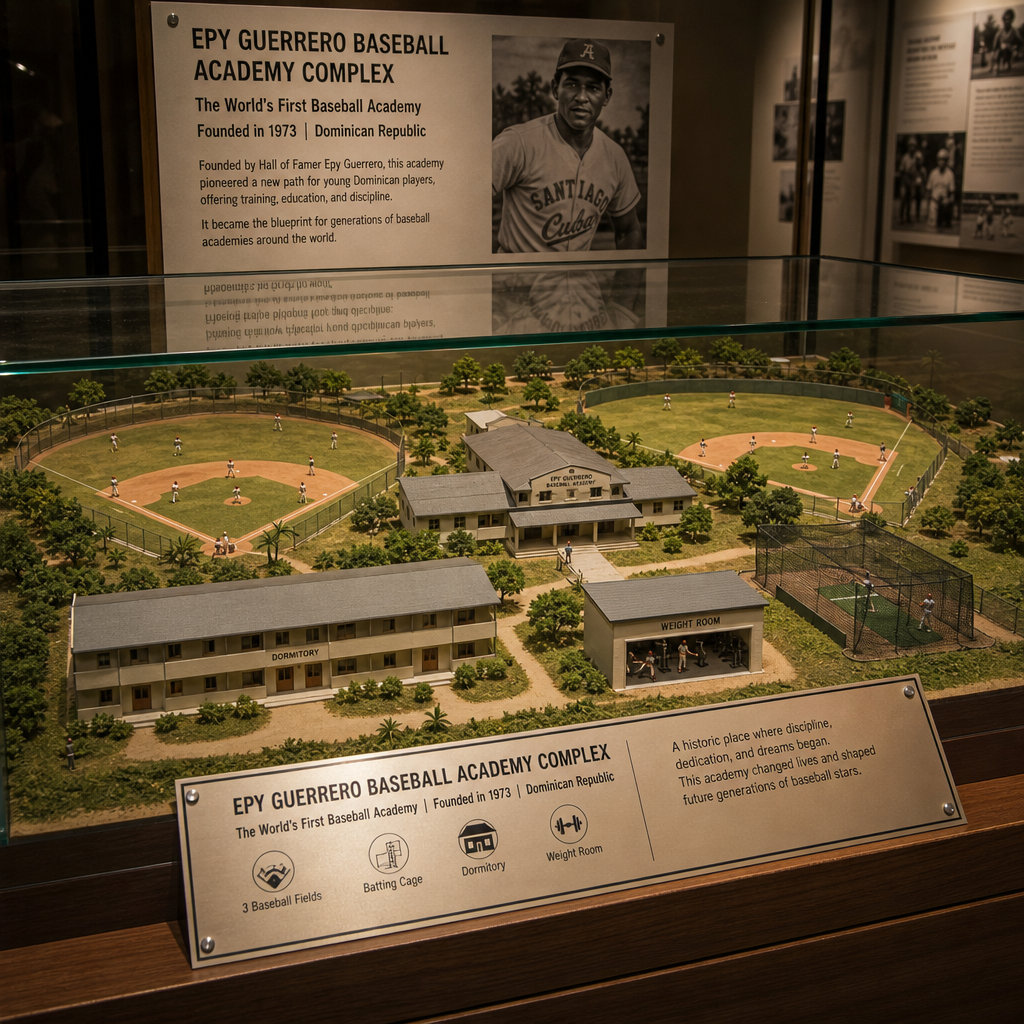
Figure 1. The Epy Guerrero Baseball Academy Complex — The World’s First Baseball Academy (Diorama)
About This Gallery
Before 1970, the Dominican Republic had sent only 18 players to the major leagues. Today, that number has grown to over 2,300 — a transformation that would not have been possible without three pioneering innovations.
The story begins with Epy Guerrero, a visionary scout who opened the country’s first baseball academy in 1973, creating the model that all 30 North American professional baseball teams would eventually follow. It continues with the LIDOM winter league, which has become a global pioneer in technology adoption — implementing PitchCom, pitch clocks, ghost runners, and even robot umpires before the major leagues themselves. And it is sustained by the Buscón system — a network of independent trainer-agents who discover, train, and showcase young talent from the country’s poorest neighborhoods, often providing the only path to a better life.
Together, these three innovations have created an ecosystem that produces more major league talent per capita than any other nation on earth.
Innovation 1: Epy Guerrero Academy Model — The World’s First Baseball Academy
This table 2 details the pioneering vision of Epy Guerrero, who established the concept of modern baseball academies in 1973, creating a model that would be adopted by all 30 North American professional baseball teams and transform the Dominican Republic into the world’s leading source of baseball talent.
Table 2. Epy Guerrero Academy Model — The World’s First Baseball Academy
| Aspect | Details |
|---|---|
| Founder | Epifanio “Epy” Guerrero — former minor league player, legendary scout for the Astros, Yankees, Blue Jays, and Brewers |
| Year Founded | 1973 — the first baseball academy in the Dominican Republic |
| Location | Initially in Yamasá, later moved to Villa Mella (about nine miles from Santo Domingo) |
| Facilities | 18 acres with three baseball fields, batting cage, dormitory, and weight room |
| Services | Housing, three meals a day, baseball training, and guidance on becoming switch-hitters and infielders |
| Key Signings | César Cedeño (1967), George Bell, Tony Fernández, and many others |
| Recognition | Considered the “father of Dominican baseball academies” ; credited with signing more amateur players who reached the majors than any other scout — 52 confirmed by the Baseball Hall of Fame |
| Legacy | Today, all 30 North American professional baseball teams have active academies in the Dominican Republic; the country has become the world’s leading source of baseball talent |
Origin Story: A Visionary’s Dream
The story of the modern baseball academy begins with Epy Guerrero — a man who could “see the future major leaguer in a young ballplayer the way the visionary poet claimed to see a world in a grain of sand”.
Guerrero was a native of Santo Domingo who played briefly in the minor leagues in 1961 and 1962. When his playing career didn’t take off, he found another path to the bigs: scouting. In 1965, he was hired as a part-time scout by Pat Gillick for the Houston Astros. His first major signing came in 1967 when he inked César Cedeño — a player who debuted in the majors at age 19 and hit .320 with 22 homers and 55 steals two years later.
But Guerrero’s true genius was yet to come. In 1973, he opened the Epy Guerrero Complex — the country’s first baseball academy. Built on 18 acres with three baseball fields, a batting cage, dormitory, and weight room, the complex was part dream come true and part savvy business move. His wife, Doña Rosario, served three meals a day. Young prospects — some as young as 13 — refined their raw athletic ability into baseball prowess under Guerrero’s guidance.
“All my life, I have had it in my mind to have my own ballpark.”
— Epy Guerrero
The academy was not just about baseball — it was about preparing young Dominicans for the demands of life in the United States. Guerrero added value to the raw materials and helped the boys refine their talent before they ever left the island.
In 1977, Guerrero borrowed money and established a more formal academy in Villa Mella. The Toronto Blue Jays began using it, and eventually, 29 of the 30 North American professional baseball teams built academies on the island. The first such academy was opened by the Los Angeles Dodgers in 1987 in Guerra — the “Academia Las Palmas” that produced Cooperstown inductee Pedro Martínez and future Hall of Famer Adrián Beltré.
Impact: Opening the Pipeline to the Majors
This table 3 outlines the transformative effects of Guerrero’s academy model on Dominican baseball, from creating the template for all North American team academies to dramatically increasing Dominican representation in the major leagues.
Table 3. Epy Guerrero Academy Model — Impact on Dominican Baseball
| Impact Area | Description |
|---|---|
| The Academy Model | Guerrero created the template that all 30 North American professional baseball teams would eventually follow — a model that combines housing, feeding, and training young prospects in a structured environment |
| Dramatic Growth | Before Guerrero’s academy, the Dominican had sent only 18 players to the majors. A recent estimate put over 2,300 players from the Dominican in professional baseball organizations |
| Adoption by North American Teams | Today, all 30 teams in the major American professional baseball leagues have active academies in the Dominican Republic |
| Global Recognition | Guerrero is considered the “real and only father of Baseball Academies” in the Dominican Republic |
| Player Development | The academy model provided young Dominican prospects with the training, nutrition, and structure needed to compete at the highest level |
Distribution: From One Man’s Dream to a National Industry
This table 4 shows how Guerrero’s academy model spread from his independent facility in Yamasá and Villa Mella to become the standard for all 30 North American professional baseball teams operating in the Dominican Republic today.
Table 4. Epy Guerrero Academy Model — Distribution
| User/Team | Status |
|---|---|
| Epy Guerrero Complex (1973) | The first academy — independent, operated by Guerrero himself |
| Toronto Blue Jays | First team to use Guerrero’s academy; later adopted it as their own in 1981 |
| Los Angeles Dodgers | Opened the first North American team-owned academy in 1987 (“Academia Las Palmas” in Guerra) |
| All 30 North American Teams | Today, every team in the major American professional baseball leagues operates an academy in the Dominican Republic |
| Total Investment | Over $200 million invested in Dominican baseball academies by these teams |
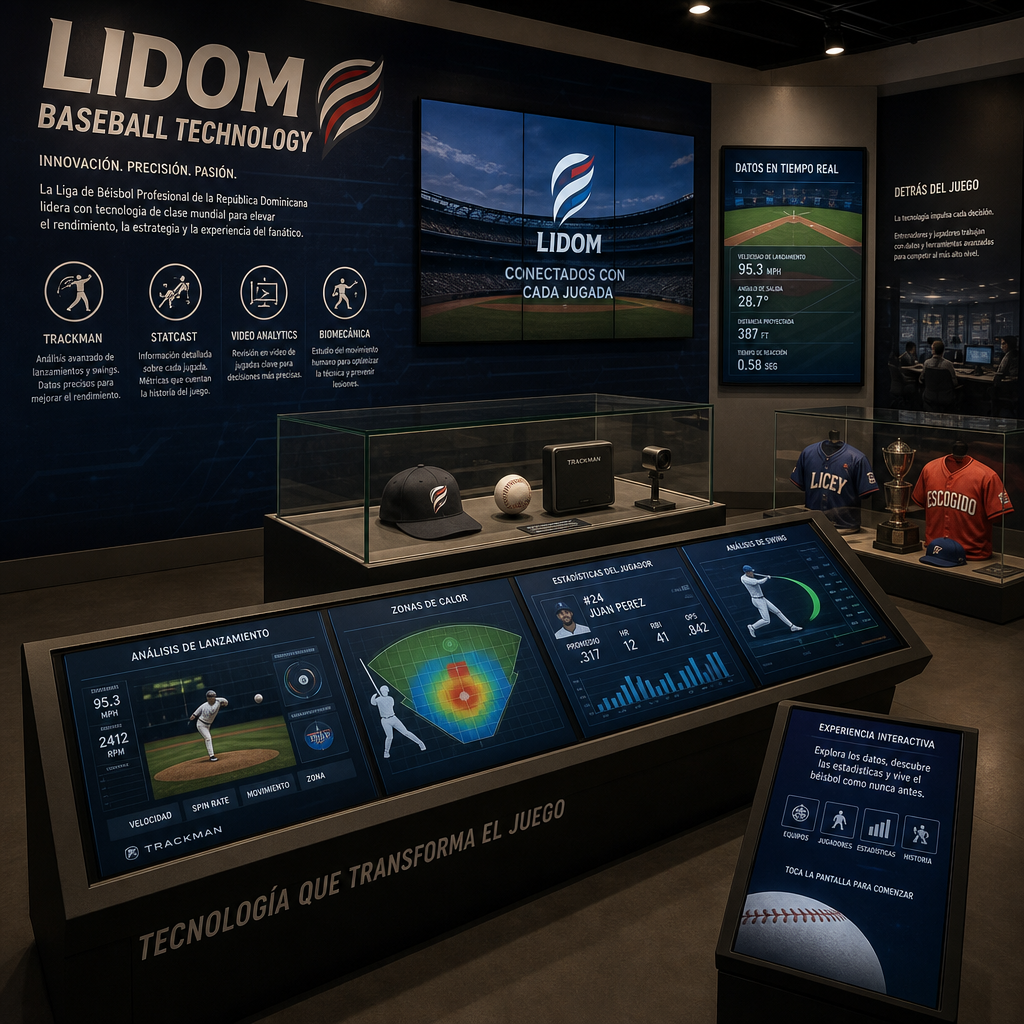
Figure 2. LIDOM — Leading the World in Baseball Technology
Innovation 2: LIDOM Technology Pioneer — A Winter League That Leads the World
This table 5 details how the Dominican Professional Baseball League (LIDOM) has become a global pioneer in adopting baseball technologies and rule innovations, often implementing changes before Major League Baseball itself.
Table 5. LIDOM Technology Pioneer — A Winter League That Leads the World
| Aspect | Details |
|---|---|
| League | LIDOM (Liga de Béisbol Profesional de la República Dominicana) — Dominican Professional Baseball League |
| Innovation Status | First winter league — and first league outside the United States — to implement ghost runner, PitchCom, and pitch clock |
| Ghost Runner | Implemented in extra innings starting with the 2022-2023 season (originally from the 12th inning, later moved to the 10th) |
| PitchCom | Electronic communication system between catcher and pitcher |
| Pitch Clock | Implemented to speed up the pace of play |
| Defensive Shift Restrictions | Approved and implemented to increase offensive production |
| Larger Bases | Increased from 15 to 18 inches |
| Robot Umpire (ABS) | LIDOM to debut the Automated Ball-Strike System in 2026 — potentially before the major leagues in the United States |
| Exit Velocity Tracking | Planning to introduce a Statcast-like system to measure bat exit velocity |
| Hawk-Eye VAR | High-speed cameras installed in all five stadiums to track every pitch and determine if the ball crossed the digitally defined strike zone |
Origin Story: When a Winter League Outruns the Majors
In baseball, it has traditionally been the major leagues in the United States that set the pace for innovation — and the rest of the world follows. But the Dominican Professional Baseball League (LIDOM) has turned that convention on its head.
LIDOM has become the first winter league — and the first league outside the United States — to implement the ghost runner, PitchCom, and the pitch clock. These innovations, which the American professional leagues would later adopt, were tested and proven in the Dominican Republic first.
“We always keep ourselves at the forefront, looking at all the innovations the league can have. Obviously, when the American professional leagues propose or make a change that we understand improves the game, we also do it immediately. If we see it can give results, we implement it. And so far all those changes have worked very well.”
— Vitelio Mejía, President of LIDOM
The Ghost Runner (2022) : In the 2022-2023 season, LIDOM implemented the “ghost runner” rule to prevent games from extending for hours. A runner was placed on second base at the start of extra innings — originally from the 12th inning, later moved to the 10th.
The Pitch Clock (2023) : LIDOM adopted the pitch clock to speed up the pace of play, with pitchers having 15 seconds with bases empty and 20 seconds with runners on base.
PitchCom (2023) : The electronic communication system between catcher and pitcher was implemented, allowing for faster and more secure sign-calling.
The Robot Umpire (2026) : LIDOM is set to make history again. The league will implement the Automated Ball-Strike System (ABS) — popularly known as the “robot umpire” — in the 2026-2027 season. This could make LIDOM the first professional league to use ABS in official games before the major leagues in the United States, which plan to implement it in 2026.
The system uses Hawk-Eye high-speed cameras installed in all five LIDOM stadiums to track every pitch and determine if the ball crossed the digitally defined strike zone. Batters, pitchers, and catchers can request a review by touching their helmet or cap. Each team gets two challenges per game, which can be retained if successful.
Impact: Leading the World in Innovation
This table outlines the impact of LIDOM’s technology adoption on the global baseball landscape, from serving as a testing ground for innovations adopted by the major leagues to proving that smaller leagues can lead the way in modernization.
Table 6. LIDOM Technology Pioneer — Impact on Global Baseball
| Impact Area | Description |
|---|---|
| Global Pioneer | LIDOM is the first winter league and first outside the United States to implement ghost runner, PitchCom, and pitch clock |
| Testing Ground | LIDOM serves as a proving ground for innovations that the American professional leagues later adopt — the Dominican winter league tests what works before the majors |
| Robot Umpire | LIDOM could become the first professional league to implement ABS in official games before the American professional leagues themselves |
| Fan Engagement | Exit velocity tracking and other data tools create new fan experiences |
| Inspiration | LIDOM proves that smaller leagues can lead in innovation, challenging the assumption that the American professional leagues must always go first |
Distribution: Technology Across All Five Stadiums
This table 7 shows how LIDOM’s technology innovations have been deployed across all five of the league’s stadiums, with Hawk-Eye cameras and other systems installed in every venue.
Table 7. LIDOM Technology Pioneer — Distribution
| Technology | Deployment Status |
|---|---|
| Pitch Clock | Implemented league-wide across all five stadiums |
| PitchCom | Implemented league-wide |
| Ghost Runner | Implemented league-wide for extra innings |
| Hawk-Eye Cameras | Installed in all five LIDOM stadiums |
| ABS (Robot Umpire) | Planned for all games starting 2026-2027 season |
| Exit Velocity Tracking | Planned for future implementation |
| Instant Replay | In use since 2008 |
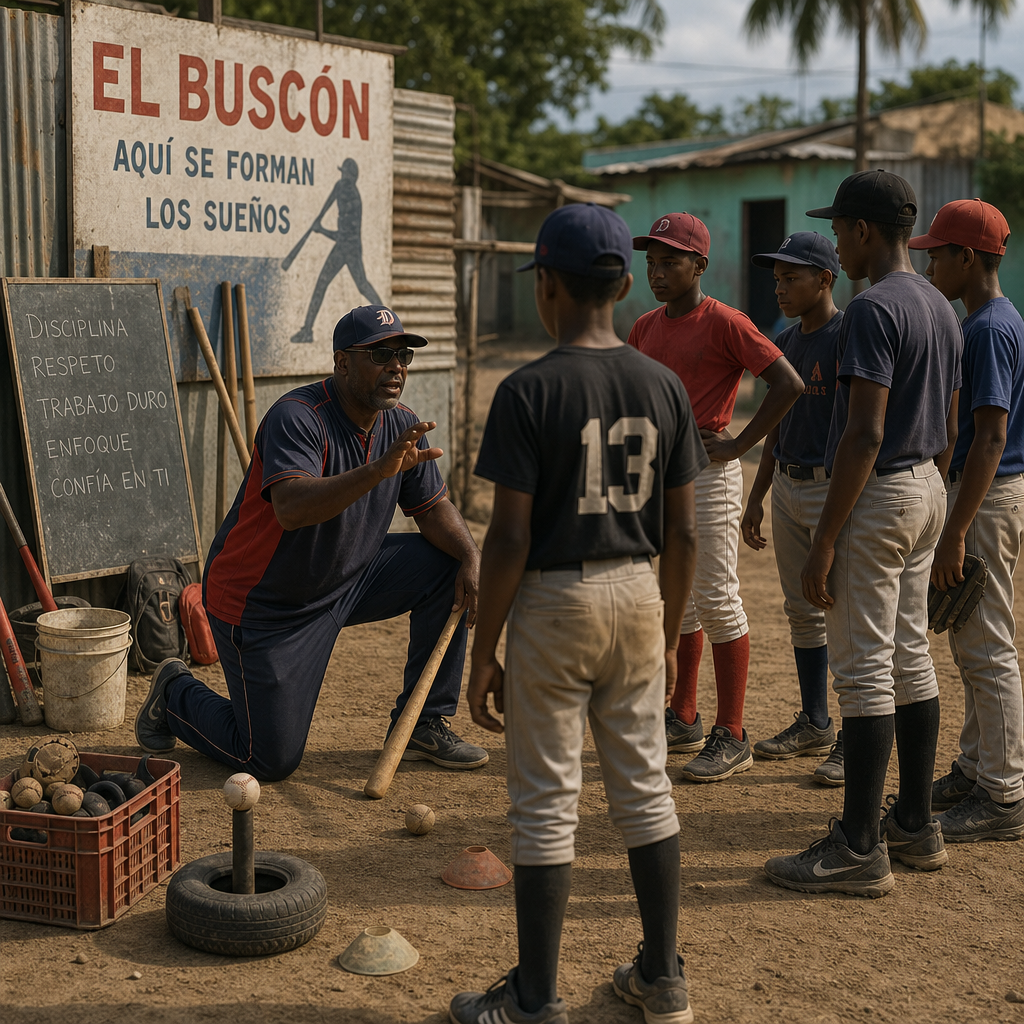
Figure 3. The Buscón:Searching for Diamonds in the Rough
Innovation 3: The Buscón System — An Unofficial Pipeline to the Majors
This table 8 details the Buscón system — a network of independent trainer-agents who discover, train, and showcase young Dominican talent, often providing the only path to a better life for kids from the country’s poorest neighborhoods.
Table 8. The Buscón System — An Unofficial Pipeline to the Majors
| Aspect | Details |
|---|---|
| Name | Buscón (from Spanish “buscar” — to search or find) |
| Role | Independent trainer-agent who discovers, trains, and showcases young talent |
| Functions | Finds talented kids, trains them full-time for years, organizes tryouts with scouts from North American teams, promotes players’ tools, and takes a percentage of the signing bonus |
| Who They Are | Coaches, scouts, agents, and sometimes father-figures — operating outside the official academy system |
| Age of Players | Often begins working with kids as young as 14–16 years old |
| Services Provided | Bats, gloves, cleats, meals, transportation, housing, daily coaching, and organized scrimmages |
| Compensation | Takes a percentage of the player’s signing bonus if they sign with a North American professional team |
| Risk | If the player doesn’t sign, the buscón usually makes nothing financially — despite years of investment |
| Scale | Hundreds, if not thousands, of buscones operate across the Dominican Republic |
Origin Story: When the System Doesn’t Reach You
For many young Dominicans, the official academy system run by North American teams is out of reach. The academies are selective — they only take players who have already been identified as top prospects. But what about the kid in a poor neighborhood who has raw talent but no connections? Who will find him?
The Buscón fills that gap.
The word comes from the Spanish verb “buscar” — to search or to find. And that is exactly what a buscón does: search for talent in the places that scouts and academies don’t always reach.
A buscón might see a kid playing in a local league or on a dusty field, hear about a talented player from a friend or another coach, or visit neighborhoods where baseball is played in the street every day. He’ll approach the family and say something like: “Your son has real talent. Let me train him. I can help him get in front of scouts from the American professional leagues.”
For a family living in poverty, that offer can sound like a miracle.
Once the family agrees, the kid often trains many hours a day, plays in organized scrimmages and showcases, and receives coaching, equipment, and sometimes food and housing. The buscón may cover bats, gloves, cleats, meals, and transportation. In return, the expectation is clear but not always written down: “If your son signs, I get a percentage of the bonus.”
When the player is around 14–16 years old, the buscón organizes tryouts with scouts from North American teams, takes the player to showcases where multiple teams are watching, and promotes the player’s tools — speed, arm strength, power, defense. These events can be high-pressure. For many kids, it feels like their entire future is on the line.
If a team likes what they see, they may offer a contract, pay a signing bonus, and bring the player into their academy. The buscón then takes his agreed-upon percentage of that bonus. If the player doesn’t sign, the buscón usually makes nothing financially — despite years of investment.
Impact: A Parallel System That Works — and Its Challenges
This table 9 outlines the impact of the Buscón system on Dominican baseball — providing access to training and resources for kids who would otherwise be left behind, while also highlighting the challenges of an informal, unregulated system.
Table 9. The Buscón System — Impact on Dominican Baseball
| Impact Area | Description |
|---|---|
| Access to Training | For many kids, there is no local Little League with paid coaches, and families can’t afford private lessons, gear, or travel. A buscón can provide access that would otherwise be impossible |
| A Real Path to the Majors | Buscones connect talented kids to scouts from North American teams — without them, many players would never get past the neighborhood field |
| Investment | Buscones invest years of time, money, and resources into players with no guarantee of return |
| Poverty Alleviation | For many families, a signing bonus from a professional contract is life-changing — lifting them out of poverty |
| Challenges | The system is largely informal and unregulated; there have been reports of exploitation, corruption, and abuse |
| Education Gap | Baseball often takes precedence over education, leaving many players without a fallback option |
Distribution: From the Streets to the Show
This table 10 shows how the Buscón system operates across the Dominican Republic, from the poorest neighborhoods to the tryout fields where scouts from North American teams watch, creating a parallel pipeline that exists alongside the official academy system.
Table 10. The Buscón System — Distribution
| Region/User | Status |
|---|---|
| Neighborhoods | Buscones operate in poor neighborhoods across the country, finding talent where official scouts don’t always reach |
| Tryouts and Showcases | Buscones organize tryouts and showcases where scouts from North American teams can watch multiple players |
| Professional Teams | Buscones feed talent into all 30 North American professional baseball team academies |
| Scale | Hundreds, if not thousands, of buscones operate across the Dominican Republic |
| International Reach | The system has produced thousands of professional players over the decades |
Dominican Republic Innovation Timeline
This timeline traces the evolution of Dominican baseball innovation from the opening of the first academy in 1973 through the technology adoption of the 2020s, showing how three distinct innovations have transformed the country into the world’s leading source of baseball talent.
Table 11. Dominican Republic Baseball Innovation Timeline
| Year | Milestone |
|---|---|
| 1965 | Epy Guerrero hired as a part-time scout by the Houston Astros |
| 1967 | Guerrero signs César Cedeño — his first major signing |
| 1973 | Epy Guerrero opens the first baseball academy in the Dominican Republic — the Epy Guerrero Complex in Yamasá |
| 1977 | Guerrero establishes a second academy in Villa Mella |
| 1981 | Toronto Blue Jays adopt Guerrero’s academy |
| 1987 | Los Angeles Dodgers open the first North American team-owned academy (“Academia Las Palmas” in Guerra) |
| 2008 | LIDOM introduces instant replay |
| 2022 | LIDOM implements the ghost runner rule for extra innings |
| 2023 | LIDOM implements PitchCom and the pitch clock |
| 2023 | LIDOM approves defensive shift restrictions and larger bases (15 to 18 inches) |
| 2024 | LIDOM installs Hawk-Eye cameras in all five stadiums |
| 2025 | LIDOM announces plans for robot umpire (ABS) debut |
| 2026 | LIDOM to implement ABS in all games — potentially before the major leagues in the United States |
Why the Dominican Republic Leads in These Innovations
The Dominican Republic’s three pioneering innovations are not isolated achievements — they are interconnected parts of a unique ecosystem that has transformed the country into the world’s leading source of baseball talent. The following factors explain why the Dominican Republic has been able to produce such remarkable innovations.
1. Necessity as the Mother of Invention
The Dominican Republic is a small nation with limited resources. Before 1970, it had sent only 18 players to the majors. The country lacked the infrastructure, funding, and institutional support that existed in the United States. But it had an abundance of raw talent — and a desperate need to find a path out of poverty. This combination of talent and necessity created the conditions for innovation. Epy Guerrero didn’t have a budget from a North American team to build an academy — he built one with his own money and vision. The Buscón system didn’t emerge from a corporate strategy — it emerged from the streets, from former players and coaches who saw talent in their neighborhoods and decided to do something about it.
2. The Power of One Visionary
Epy Guerrero’s story is a reminder that one person can change an entire industry. Before Guerrero, there was no such thing as a baseball academy in the Dominican Republic. The concept didn’t exist. Guerrero didn’t just build a facility — he invented a new model for developing talent. He showed that by housing, feeding, and training young prospects in a structured environment, you could transform raw athletic ability into major league talent. Today, all 30 North American professional baseball teams operate academies in the Dominican Republic — a direct legacy of Guerrero’s vision.
3. The Willingness to Challenge Convention
LIDOM’s technology adoption is remarkable not because the technologies themselves are new — but because a winter league in a small Caribbean nation adopted them before the mighty American professional leagues. This willingness to challenge convention — to say “we don’t need to wait for the American leagues to tell us what to do” — is a hallmark of Dominican innovation. LIDOM has proven that smaller leagues can lead, and that innovation doesn’t have to flow only from the top down.
4. The Underground Economy of Talent
The Buscón system is perhaps the most uniquely Dominican innovation of all. It exists outside the formal system — unregulated, informal, and often controversial. But it works. For every kid who makes it to an academy, there are hundreds more who would never have been discovered without a buscón. The system is not perfect — there have been reports of exploitation — but it fills a gap that the official system cannot reach. It is a parallel pipeline that runs alongside the academies, finding talent in the places that scouts don’t always go.
5. A National Obsession with Baseball
Baseball is not just a sport in the Dominican Republic — it is a national obsession. It is the most direct path out of poverty for millions of families. This deep, passionate connection to the game creates a culture of excellence that drives innovation. When a nation’s entire identity is tied to a sport, the pressure to innovate — to find better ways to discover, train, and develop talent — is immense.
6. The Interconnection of the Three Innovations
The three innovations are not separate — they are interconnected parts of a single ecosystem. The Epy Guerrero Academy Model created the formal infrastructure for talent development. The Buscón System creates the informal pipeline that feeds talent into the academies. And LIDOM provides the high-level competition and innovation that keeps Dominican baseball at the forefront of the global game. Together, these three innovations have created a system that produces more major league talent per capita than any other nation on earth.
This Gallery is part of the Baseball Innovation Museum, exploring how nations around the world are shaping the future of baseball through technology and tradition.
References
- Diario Libre. (2023, May 11). Epy Guerrero el padre de las Academias de Béisbol en República Dominicana. https://www.diariolibre.com
- Empower Baseball. (n.d.). Buscón System in Dominican Baseball: The Good and Bad. https://empowerbaseball.org
- Georgetown University Repository. (n.d.). Foundation of the first baseball academy in the Dominican Republic: the Epy Guerrero Complex. https://repository.digital.georgetown.edu
- Infodiario. (2026, January 15). Lidom implementa árbitro robot en el torneo invernal 2026. https://infodiario.do
- Listín Diario. (2025, October 16). Lidom se adelantaría a MLB con el “árbitro robot” esta temporada. https://listindiario.com
- SABR. (2012, January 4). Epifanio Guerrero. https://sabr.org
- SI.com. (2013, May 24). Epy Guerrero, scout who helped open Dominican pipeline to majors, dies at 71. https://www.si.com