
For decades, it has been the major leagues in the United States that set the pace for baseball innovation — and the rest of the world follows. But the Dominican Professional Baseball League (LIDOM) has turned that convention on its head. From the ghost runner and PitchCom to the pitch clock and the impending robot umpire, LIDOM has become the first winter league — and the first league outside the United States — to implement rule changes and technologies that would later be adopted by the American professional leagues. This exhibit tells the story of how a small Caribbean winter league became a global pioneer in baseball innovation.
This table 1 provides a comprehensive overview of LIDOM’s technology innovations, including the ghost runner, PitchCom, pitch clock, Hawk-Eye replay system, and the upcoming Automated Ball-Strike System (ABS) — also known as the robot umpire.
Table 1. Gallery Overview
| Item | Details |
|---|---|
| Exhibit Full Title | LIDOM Technology Pioneer — A Winter League That Leads the World (2022 – Present) |
| Time Span | 2022 – Present |
| League | LIDOM (Liga de Béisbol Profesional de la República Dominicana) — Dominican Professional Baseball League |
| Core Innovation | Became the first winter league — and the first league outside the United States — to implement the ghost runner, PitchCom, and the pitch clock; now poised to introduce the robot umpire (ABS) before the American professional leagues |
| Key Milestones | 2022 (ghost runner), 2023 (PitchCom and pitch clock), 2024 (Hawk-Eye cameras), 2026 (robot umpire / ABS planned) |
| Representative Outcomes | Games shortened by 8 minutes in the first season; PitchCom adopted by all teams; Hawk-Eye installed in all five stadiums |
| Uniqueness | A winter league that outruns the majors — proving that smaller leagues can lead global baseball innovation |
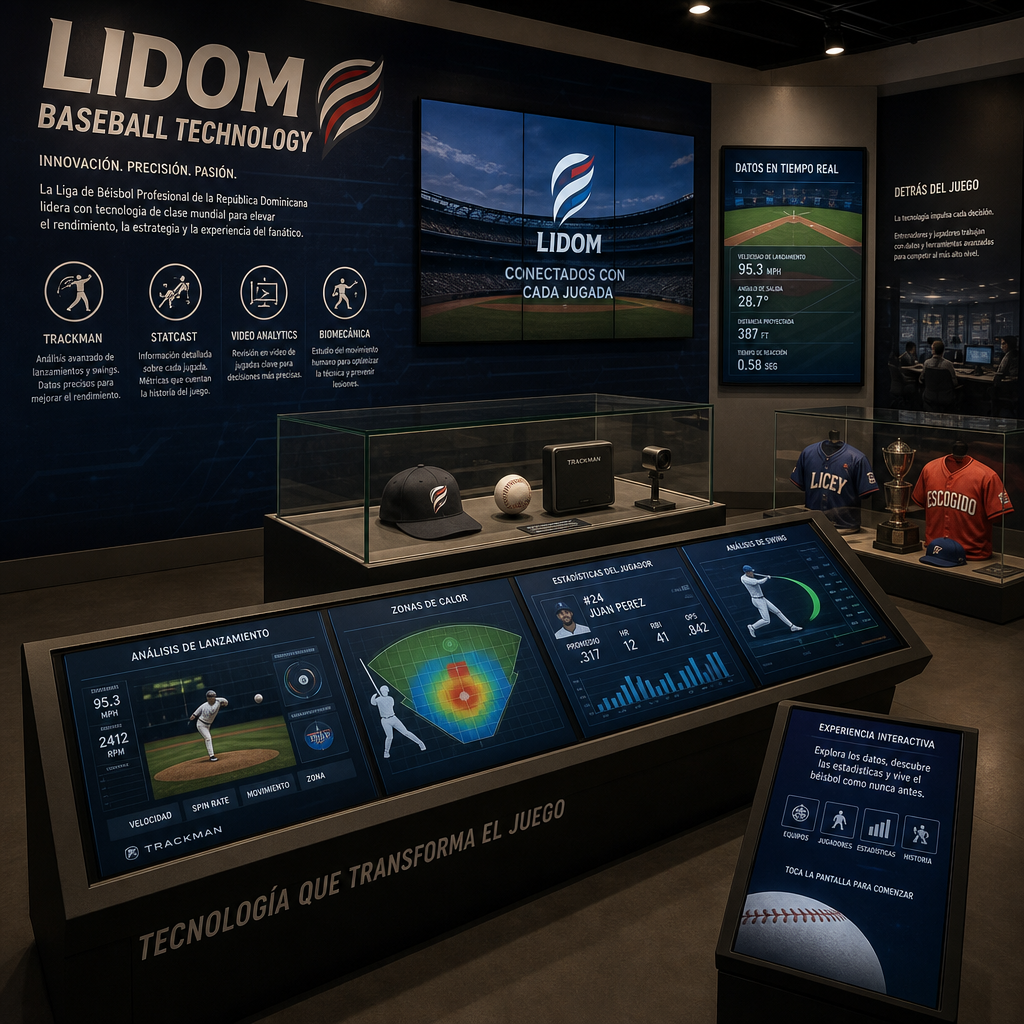
Figure 1. LIDOM — Leading the World in Baseball Technology
About This Gallery
In baseball, it has traditionally been the major leagues in the United States that set the pace for innovation — and the rest of the world follows. But the Dominican Professional Baseball League (LIDOM) has turned that convention on its head. LIDOM has become the first winter league — and the first league outside the United States — to implement the ghost runner, PitchCom, and the pitch clock. These innovations, which the American professional leagues would later adopt, were tested and proven in the Dominican Republic first.
“We always keep ourselves at the forefront, looking at all the innovations the league can have. Obviously, when the American professional leagues propose or make a change that we understand improves the game, we also do it immediately. If we see it can give results, we implement it. And so far all those changes have worked very well.”
— Vitelio Mejía, President of LIDOM
Now, LIDOM is poised to make history again. The league plans to implement the Automated Ball-Strike System (ABS) — popularly known as the “robot umpire” — in the 2026-2027 season, potentially becoming the first professional league to use it in official games before the American professional leagues themselves.
Innovation: LIDOM Technology Pioneer — A Winter League That Leads the World
This table 2 details how the Dominican Professional Baseball League (LIDOM) has become a global pioneer in adopting baseball technologies and rule innovations, often implementing changes before the major leagues in the United States.
Table 2. LIDOM Technology Pioneer — A Winter League That Leads the World
| Aspect | Details |
|---|---|
| League | LIDOM (Liga de Béisbol Profesional de la República Dominicana) — Dominican Professional Baseball League |
| Innovation Status | First winter league — and first league outside the United States — to implement ghost runner, PitchCom, and pitch clock |
| Ghost Runner | Implemented in extra innings starting with the 2022-2023 season (originally from the 12th inning, later moved to the 10th) |
| PitchCom | Electronic communication system between catcher and pitcher, approved for the 2023-2024 season |
| Pitch Clock | Implemented in the 2023-2024 season; pitchers have 20 seconds with bases empty or runners on base |
| Defensive Shift Restrictions | Approved and implemented to increase offensive production |
| Larger Bases | Increased from 15 to 18 inches |
| Robot Umpire (ABS) | LIDOM to debut the Automated Ball-Strike System in 2026 — potentially before the American professional leagues |
| Exit Velocity Tracking | Planning to introduce a system to measure bat exit velocity |
| Hawk-Eye VAR | Advanced replay system using cameras and sensors for multiple angles and high precision in umpire decisions |
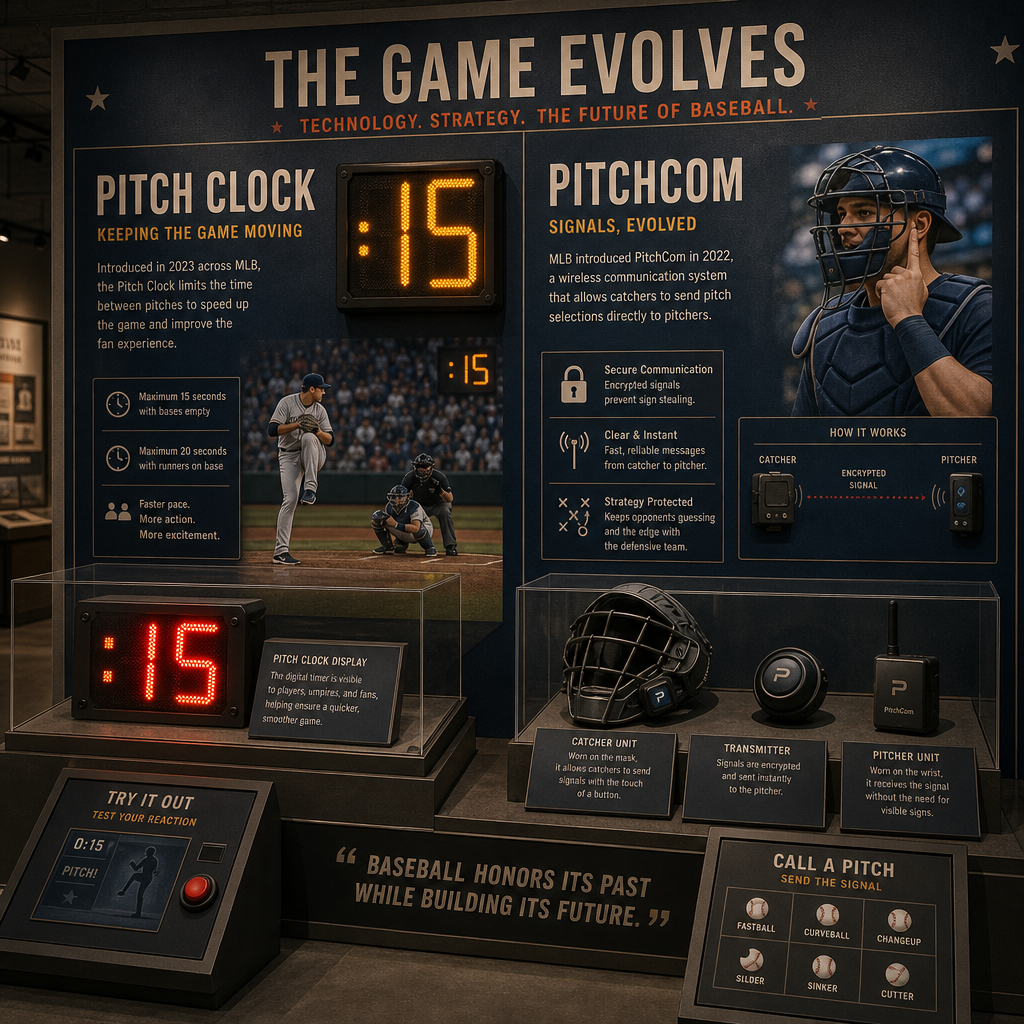
Figure 2. The Pitch Clock and PitchCom — LIDOM’s Pace-of-Play Innovations
Origin Story: When a Winter League Outruns the Majors
The story of LIDOM’s technological leadership begins in 2022, when the league made a bold decision: it would not wait for the American professional leagues to set the pace. It would lead.
The Ghost Runner (2022)
On October 18, 2022, LIDOM announced a rule change that would take effect immediately: the implementation of the “ghost runner” in extra innings. The decision was prompted by a 14-inning game in the season opener between Leones del Escogido and Tigres del Licey. To prevent games from extending for hours, LIDOM placed a runner on second base at the start of extra innings — originally from the 12th inning, later moved to the 10th. LIDOM was the first winter league — and the first league outside the United States to implement this rule.
The Pitch Clock and PitchCom (2023)
The following year, LIDOM went further. In the 2023-2024 season, the league introduced the pitch clock — limiting pitchers to 20 seconds with bases empty or runners on base — and the PitchCom electronic communication system between catchers and pitchers.
The impact was immediate and measurable. In the first 19 games of the season, the average game time dropped by eight minutes compared to the previous season. When excluding extra-inning games, the average fell to three hours and 19 minutes.
The Hawk-Eye Replay System (2024)
For the 2024-2025 season, LIDOM strengthened its technological infrastructure with the Hawk-Eye advanced replay system, using cameras and sensors to provide multiple angles and high precision in umpire decisions. The system offered greater clarity in controversial plays, both for fans in the stadium and those watching from home.
The Robot Umpire (2026)
Now, LIDOM is set to make history again. The league plans to implement the Automated Ball-Strike System (ABS) — the “robot umpire” — in the 2026-2027 season. This could make LIDOM the first professional league to use ABS in official games before the American professional leagues themselves.
The system works through Hawk-Eye technology — high-speed cameras that track every pitch and calculate with precision whether the ball crossed the digitally defined strike zone. Batters, pitchers, and catchers can request a review by touching their helmet or cap. Each team gets two challenges per game, which can be retained if successful.
“It’s very likely we’ll use it starting from the Round Robin and the final. If everything goes as we have planned. We are doing the studies and looking at all the pros.”
— Vitelio Mejía, President of LIDOM
Impact: Leading the World in Innovation
This table 3 outlines the impact of LIDOM’s technology adoption on the global baseball landscape, from serving as a testing ground for innovations adopted by the major leagues to proving that smaller leagues can lead the way in modernization.
Table 3. LIDOM Technology Pioneer — Impact on Global Baseball
| Impact Area | Description |
|---|---|
| Global Pioneer | LIDOM is the first winter league and first outside the United States to implement ghost runner, PitchCom, and pitch clock |
| Testing Ground | LIDOM serves as a proving ground for innovations that the American professional leagues later adopt — the Dominican winter league tests what works before the majors |
| Game Pace Improvement | The pitch clock reduced game times by 8 minutes in the first season |
| Robot Umpire | LIDOM could become the first professional league to implement ABS in official games before the American professional leagues themselves |
| Fan Engagement | Exit velocity tracking and other data tools create new fan experiences |
| Inspiration | LIDOM proves that smaller leagues can lead in innovation, challenging the assumption that the American professional leagues must always go first |
Distribution: Technology Across All Five Stadiums
This table 4 shows how LIDOM’s technology innovations have been deployed across all five of the league’s stadiums, with Hawk-Eye cameras and other systems installed in every venue.
Table 4. LIDOM Technology Pioneer — Distribution
| Technology | Deployment Status |
|---|---|
| Pitch Clock | Implemented league-wide across all five stadiums |
| PitchCom | Implemented league-wide |
| Ghost Runner | Implemented league-wide for extra innings |
| Hawk-Eye Cameras | Installed in all five LIDOM stadiums |
| ABS (Robot Umpire) | Planned for all games starting 2026-2027 season |
| Exit Velocity Tracking | Planned for future implementation |
| Instant Replay | In use since 2008 |
Dominican Republic Technology Innovation Timeline
This timeline traces the evolution of LIDOM’s technology innovation from the introduction of instant replay in 2008 through the adoption of the ghost runner, PitchCom, pitch clock, Hawk-Eye, and the upcoming robot umpire — showing how a winter league became a global pioneer.
Table 5. Dominican Republic Technology Innovation Timeline
| Year | Milestone |
|---|---|
| 2008 | LIDOM introduces instant replay |
| 2022 | LIDOM implements the ghost runner rule for extra innings — first winter league and first outside the United States to do so |
| 2023 | LIDOM implements PitchCom and the pitch clock |
| 2023 | LIDOM approves defensive shift restrictions and larger bases (15 to 18 inches) |
| 2024 | LIDOM installs Hawk-Eye cameras in all five stadiums |
| 2025 | LIDOM announces plans for robot umpire (ABS) debut |
| 2026 | LIDOM to implement ABS in all games — potentially before the American professional leagues |
Why the Dominican Republic Leads in This Innovation
LIDOM’s technology leadership is not accidental. It is the result of a deliberate strategy, a willingness to challenge convention, and a deep understanding that innovation can come from anywhere. The following factors explain why the Dominican Republic has been able to produce such a remarkable technological innovation.
1. The Willingness to Challenge Convention
LIDOM’s technology adoption is remarkable not because the technologies themselves are new — but because a winter league in a small Caribbean nation adopted them before the mighty American professional leagues. This willingness to challenge convention — to say “we don’t need to wait for the American leagues to tell us what to do” — is a hallmark of Dominican innovation. LIDOM has proven that smaller leagues can lead, and that innovation doesn’t have to flow only from the top down.
2. A Forward-Looking Leadership
Under the leadership of President Vitelio Mejía, LIDOM has adopted a proactive approach to innovation. The league doesn’t wait for changes to be proven elsewhere — it studies innovations, assesses their potential, and implements them quickly when they show promise. This forward-looking leadership has been crucial to LIDOM’s ability to stay ahead of the curve.
3. Learning from the American Professional Leagues — and Improving
LIDOM’s strategy is not to simply copy the American professional leagues, but to adapt and improve their innovations. When the pitch clock was introduced, LIDOM implemented it with modifications suited to its own context. When the ghost runner was adopted, LIDOM adjusted the timing to fit its schedule. This adaptive approach — taking what works and making it better — is a hallmark of Dominican innovation.
4. Responding to Fan and Player Demand
LIDOM’s innovations are not imposed from above — they respond to the desires of fans and players. The exit velocity tracking system, for example, was introduced because “players like it a lot, to see at what speed their hit came off, how hard they hit the ball. But fans also like to see that type of data”. This fan- and player-centered approach ensures that innovations are embraced rather than resisted.
5. Building on a Strong Baseball Culture
The Dominican Republic’s deep baseball culture provides a fertile ground for innovation. When LIDOM introduces new rules or technologies, players and fans understand the game deeply enough to appreciate the changes. This base of baseball knowledge makes the Dominican Republic uniquely suited to be a testing ground for new ideas.
6. The Interconnection with Other Innovations
LIDOM’s technology leadership is connected to the other Dominican innovations. The Epy Guerrero Academy Model produces the talent that fills LIDOM’s rosters. The Buscón System discovers that talent. And LIDOM provides the high-level competition where that talent can develop and where new technologies can be tested. Together, these three innovations form an ecosystem that produces more major league talent per capita than any other nation on earth.
This gallery is part of the Baseball Innovation Museum, exploring how nations around the world are shaping the future of baseball through technology and tradition.
References
- Diario Libre. (2023, November 1). La introducción del reloj le baja ocho minutos de duración a juegos en Lidom. https://www.diariolibre.com
- Diario Libre. (2026, January 15). La Lidom implementará el árbitro robot para el próximo torneo invernal. https://www.diariolibre.com
- elCaribe. (2024, September 18). Las innovaciones tecnológicas en la LIDOM para la temporada 2024-2025. https://www.elcaribe.com.do
- ESPN. (2022, October 18). LIDOM anuncia incorporación de “corredor fantasma” en temporada 2022-23. https://www.espn.com.mx
- Listín Diario. (2025, October 16). Lidom se adelantaría a MLB con el “árbitro robot” esta temporada. https://listindiario.com
- Record. (2023, September 15). Reloj de picheo y bateo entre las novedades temporada LIDOM 2023-24. https://record.com.do