
Taiwan Hawk-Eye / Karma Zone Gallery
MIT Electronic Strike Zone | Precision Officiating & Swing Analysis
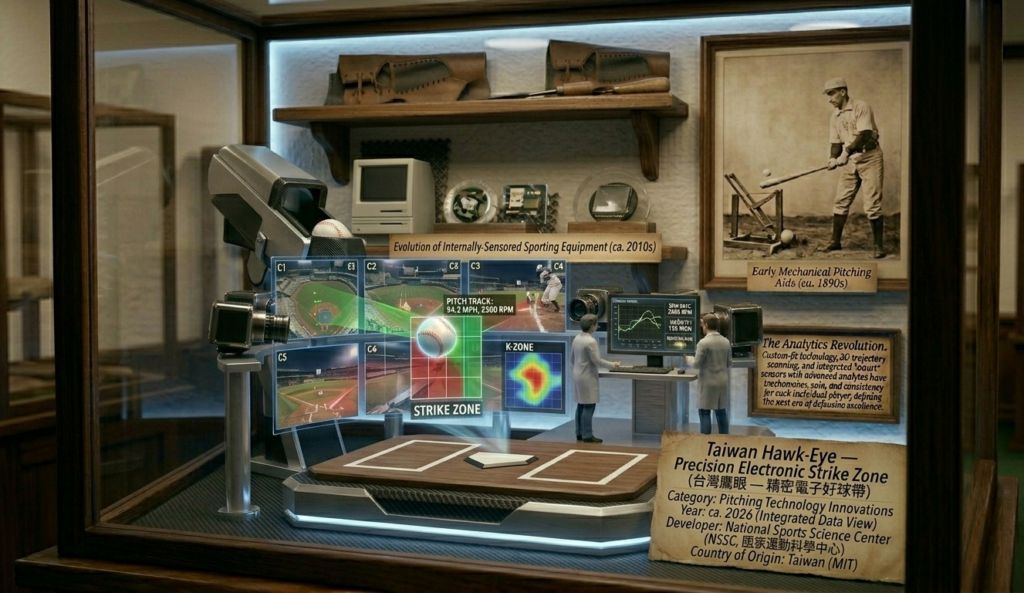
Figure 1. The Taiwan Hawk-Eye System — Multi-Angle High-Speed Optical Tracking for Precision Strike Zone Identification.
Gallery at a Glance
| Detail | Information |
|---|---|
| Full Name | Karma Zone / Taiwan Hawk-Eye (台灣鷹眼) |
| Developer | Industrial Technology Research Institute (ITRI) / Ministry of Economic Affairs |
| Accuracy | <1cm margin of error (targeting 5mm) |
| Key Feature | Electronic strike zone + swing analysis (dual-purpose) |
| Deployment | Taipei Dome, Taichung Intercontinental Stadium, Tianmu Stadium |
About the Gallery
The Karma Zone (also referred to as Taiwan Hawk-Eye) represents Taiwan’s fully homegrown electronic strike zone system. While countries like the UK and US have similar systems, Taiwan developed this independently to serve the specific needs of the CPBL and national training programs .
Unlike traditional systems that only track pitch location, the Karma Zone is designed as a dual-purpose tool: it automates ball/strike calls while also providing detailed swing analysis for batters . This dual functionality makes it a unique asset in the global baseball technology landscape.
How It Works
The system uses an array of high-speed cameras strategically positioned around the stadium to triangulate the ball’s position in real-time.
| Component | Function |
|---|---|
| 6 High-Speed Cameras | Track ball trajectory and location within <1cm accuracy |
| Real-Time Processing | Displays ball speed and location within 1 second |
| Swing Analysis | Captures batter swing mechanics and bat path |
| 3D Modeling | Reconstructs pitch trajectory and batter positioning |
Unique Advantage: Beyond strike zone detection, the system provides swing analysis for batters, offering insights into bat path, contact point, and timing—making it a dual-purpose training and officiating tool .
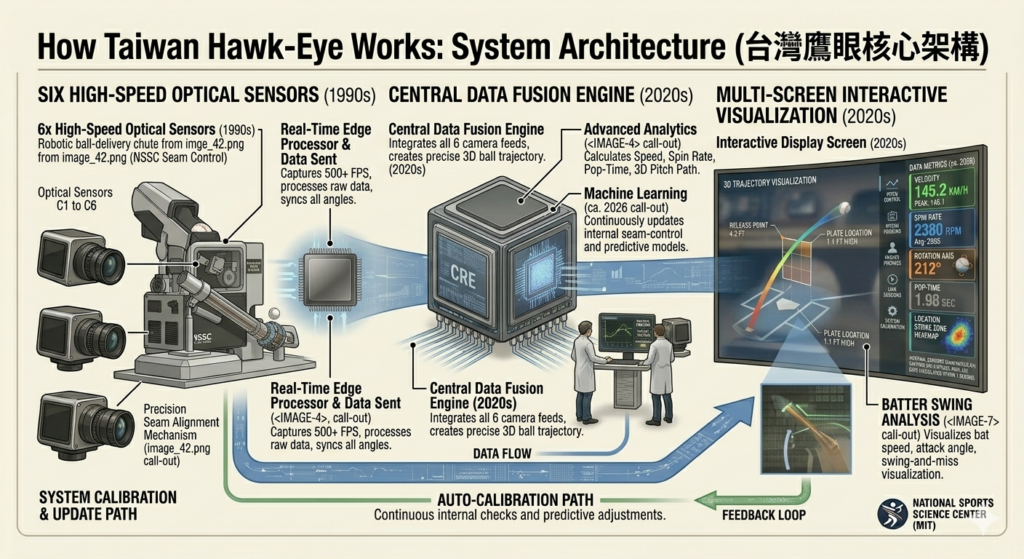
Figure 2. System Architecture of Taiwan Hawk-Eye: Data Fusion and Processing Flow for Real-Time Optical Tracking.
Deployment in Taiwan
The system has been rolled out across Taiwan’s major stadiums, significantly upgrading the accuracy of officiating and training data.
| Stadium | Status |
|---|---|
| Taipei Dome | Fully operational |
| Taichung Intercontinental Baseball Stadium | Fully operational |
| Taipei Tianmu Baseball Stadium | Fully operational |
| Xinzhuang Stadium | Operational |
| Douliu Stadium | Operational |
Technical Milestones:
- Target Accuracy: Currently <1cm margin of error, with plans to reduce to 5mm
- Export Ambitions: Developers have expressed intentions to export the technology to Japan and US (minor league/grassroots levels)
- Cost Advantage: Positioned as a lower-cost alternative to Trackman/Hawk-Eye for developing baseball nations
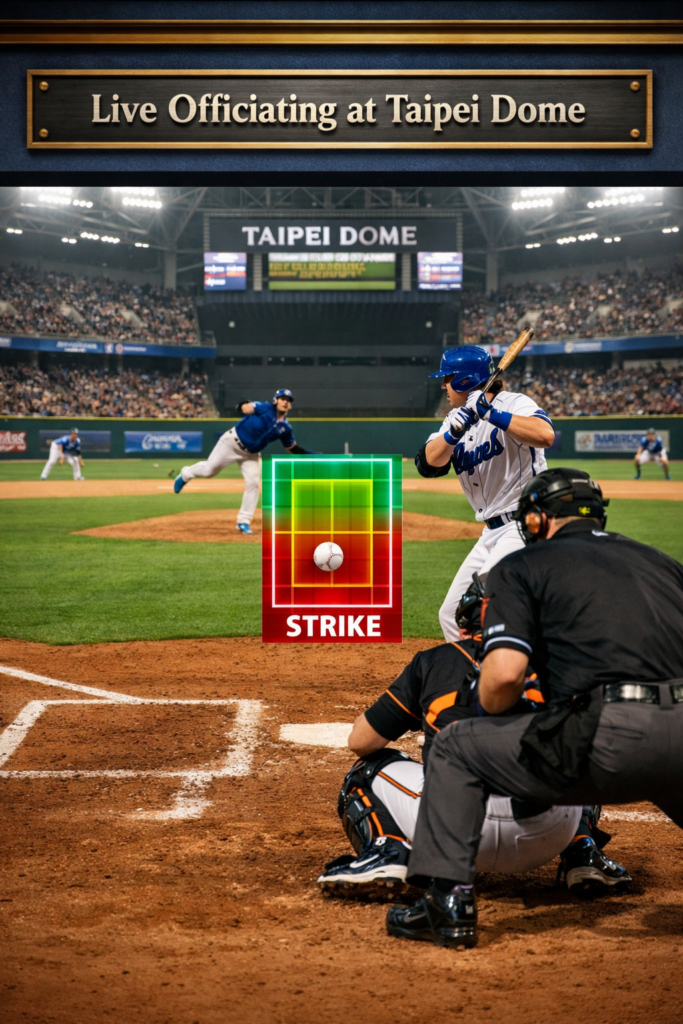
Figure 3. Karma Zone in Action: Real-Time Officiating at Taipei Dome
Comparison: Karma Zone vs. Global Competitors
| Feature | Karma Zone (Taiwan) | Hawk-Eye (UK) | Trackman (US/Denmark) |
|---|---|---|---|
| Strike Zone Accuracy | <1cm (targeting 5mm) | <3.6mm | <5cm |
| Swing Analysis | Included | Separate system | Included |
| Primary Market | CPBL / Asia | MLB / Global | MLB / College |
| Cost | Lower (MIT advantage) | High | Very High |
Why This Matters
For BILA and the “Country Innovation” narrative, the Karma Zone proves that Taiwan is not just a consumer of baseball technology—it is a developer capable of producing world-class systems that compete with established Western brands . Its low-cost, high-accuracy design makes it ideal for exporting to other developing baseball nations, spreading Taiwan’s influence in global sports tech.
References
- Industrial Technology Research Institute. (2025). 台灣鷹眼系統 — 電子好球帶與揮棒分析技術. ITRI Sports Tech White Paper.
- Ministry of Economic Affairs. (2025). 智慧球場科技發展計畫年度報告.
- 工商時報. (2024, November 11). 12強狂潮加持 運動科技產業強強滾.
- 自由時報. (2025, March 15). 「Karma Zone」好球帶系統 台體大攜手台大研發.