
For every Dominican teenager who signs a professional baseball contract and escapes poverty, there are hundreds more who never make it. But without the Buscón system, even those who succeed would likely never have been discovered. The Buscón — Spanish for “searcher” — is an independent trainer-agent who finds raw talent in the country’s poorest neighborhoods, trains them for years, and connects them to scouts from North American professional teams. This gallery tells the story of a system that is part coach, part agent, part father-figure — and entirely essential to the Dominican baseball pipeline.
This table 1 provides a comprehensive overview of the Buscón system, including its role, functions, scale, and the complex balance between opportunity and exploitation that defines this uniquely Dominican innovation.
Table 1. Gallery Overview
| Item | Details |
|---|---|
| Gallery Full Title | The Buscón System — An Unofficial Pipeline to the Majors (Pre-1970s – Present) |
| Time Span | Pre-1970s – Present |
| Core Innovation | An informal, unregulated network of independent trainer-agents who discover, train, and showcase young Dominican talent for North American professional teams |
| Key Functions | Finds talented kids (“buscar” — to search or find), trains them full-time for years, organizes tryouts, promotes players’ tools, and takes a percentage of the signing bonus |
| Scale | Estimates range from 300 to 1,300 buscones operating across the Dominican Republic |
| Player Age | Often begins working with kids as young as 11–14 years old |
| Compensation | Typically takes 10–50% of the player’s signing bonus |
| Uniqueness | A parallel talent development system that exists alongside the official academy system — unregulated, informal, and essential to Dominican baseball’s global success |
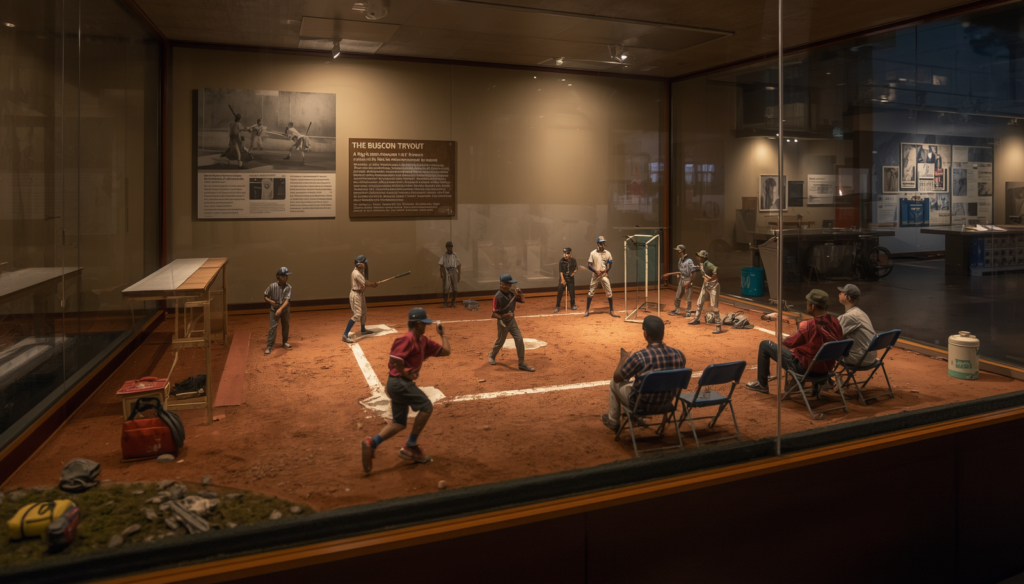
Figure 1. The Buscón Tryout — A High-Stakes Showcase for Scouts
About This Gallery
For many young Dominicans, the official academy system run by North American teams is out of reach. The academies are selective — they only take players who have already been identified as top prospects. But what about the kid in a poor neighborhood who has raw talent but no connections? Who will find him?
The Buscón fills that gap. In Dominican baseball, a buscón is an independent trainer and agent who discovers talented kids, trains them full-time for years, and showcases them in front of scouts from North American professional teams. The word comes from the Spanish verb buscar — to search or to find. And that is exactly what a buscón does: search for talent in the places that scouts and academies don’t always reach.
“The players are now traded like cattle.”
— An agent representing Dominican prospects
Hundreds, if not thousands, of buscones operate across the Dominican Republic. Some are coaches. Some are scouts. Some are agents. Some are father-figures. The system has produced thousands of professional players over the decades. But it has also been the subject of intense criticism — for exploitation, corruption, age fraud, and the use of performance-enhancing drugs. The Buscón system is not perfect. But it is essential to understanding how the Dominican Republic became the world’s leading source of baseball talent.
Innovation: The Buscón System — An Unofficial Pipeline to the Majors
This table 2 details the Buscón system — a network of independent trainer-agents who discover, train, and showcase young Dominican talent, often providing the only path to a better life for kids from the country’s poorest neighborhoods.
Table 2. The Buscón System — An Unofficial Pipeline to the Majors
| Aspect | Details |
|---|---|
| Name | Buscón (from Spanish “buscar” — to search or find) |
| Role | Independent trainer-agent who discovers, trains, and showcases young talent |
| Functions | Finds talented kids, trains them full-time for years, organizes tryouts with scouts from North American teams, promotes players’ tools, and takes a percentage of the signing bonus |
| Who They Are | Coaches, scouts, agents, and sometimes father-figures — operating outside the official academy system |
| Age of Players | Often begins working with kids as young as 11–14 years old |
| Services Provided | Bats, gloves, cleats, meals, transportation, housing, daily coaching, and organized scrimmages |
| Compensation | Takes a percentage of the player’s signing bonus — typically 10–50% |
| Risk | If the player doesn’t sign, the buscón usually makes nothing financially — despite years of investment |
| Scale | Estimates range from 300 to 1,300 buscones operating across the Dominican Republic |
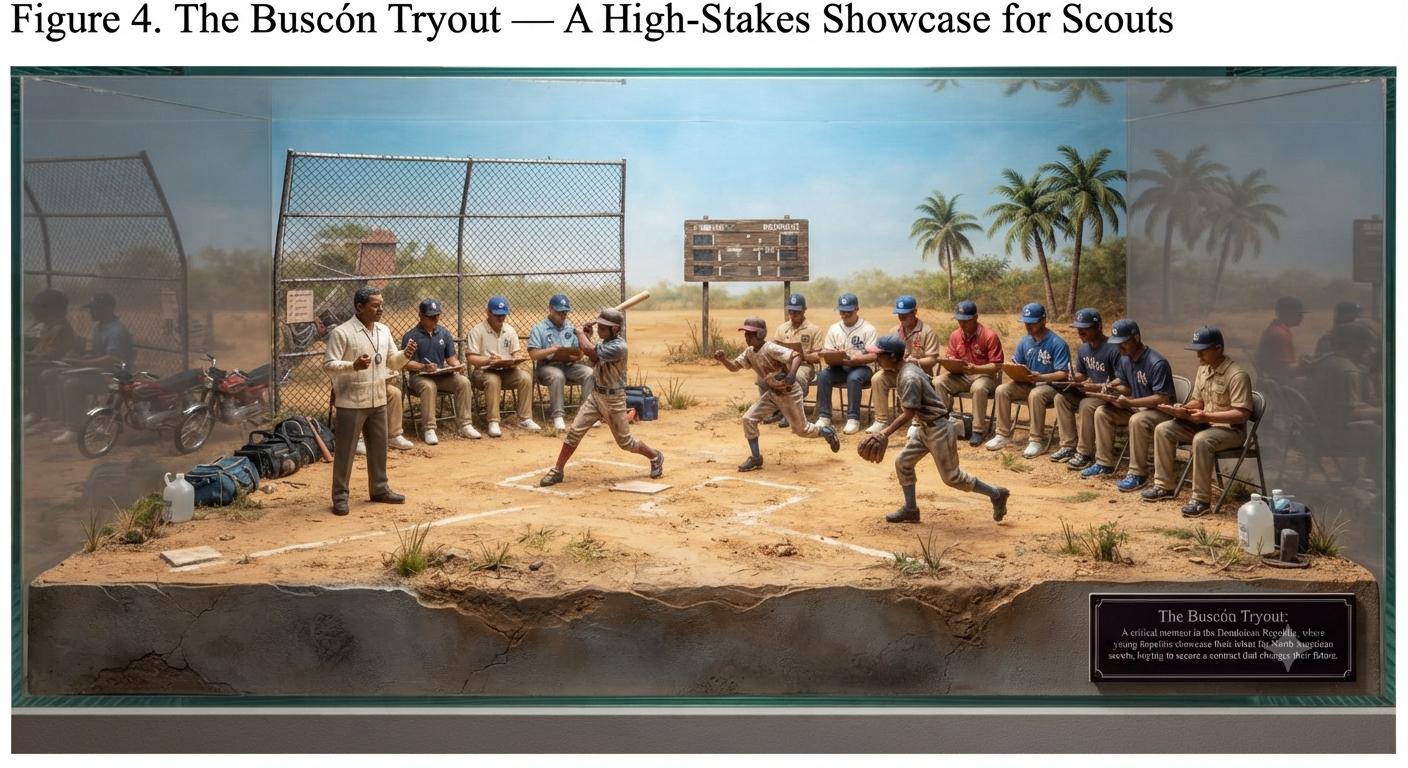
Figure 2. The Buscón — Searching for Diamonds in the Rough
Origin Story: When the System Doesn’t Reach You
The story of the Buscón system begins not in a boardroom or a stadium, but in the dusty streets and impoverished neighborhoods of the Dominican Republic.
Before 1970, the Dominican Republic had sent only 18 players to the major leagues. There was no formal system for discovering talent. There were no academies. There was no pipeline to the United States. But there was baseball — played in every neighborhood, on every dusty field, by kids who dreamed of a better life.
The Buscón emerged to fill the gap. A buscón might see a kid playing in a local league or on a dusty field, hear about a talented player from a friend or another coach, or visit neighborhoods where baseball is played in the street every day. He’ll approach the family and say something like: “Your son has real talent. Let me train him. I can help him get in front of scouts from the American professional leagues.”
For a family living in poverty, that offer can sound like a miracle.
Once the family agrees, the kid often trains many hours a day, plays in organized scrimmages and showcases, and receives coaching, equipment, and sometimes food and housing. The buscón may cover bats, gloves, cleats, meals, and transportation. In return, the expectation is clear but not always written down: “If your son signs, I get a percentage of the bonus.”
When the player is around 14–16 years old, the buscón organizes tryouts with scouts from North American teams, takes the player to showcases where multiple teams are watching, and promotes the player’s tools — speed, arm strength, power, defense. These events can be high-pressure. For many kids, it feels like their entire future is on the line.
If a team likes what they see, they may offer a contract, pay a signing bonus, and bring the player into their academy. The buscón then takes his agreed-upon percentage of that bonus. If the player doesn’t sign, the buscón usually makes nothing financially — despite years of investment.
Impact: A Parallel System That Works — and Its Challenges
This table 3 outlines the impact of the Buscón system on Dominican baseball — providing access to training and resources for kids who would otherwise be left behind, while also highlighting the challenges of an informal, unregulated system.
Table 3. The Buscón System — Impact on Dominican Baseball
| Impact Area | Description |
|---|---|
| Access to Training | For many kids, there is no local Little League with paid coaches, and families can’t afford private lessons, gear, or travel. A buscón can provide access that would otherwise be impossible |
| A Real Path to the Majors | Buscones connect talented kids to scouts from North American teams — without them, many players would never get past the neighborhood field |
| Investment | Buscones invest years of time, money, and resources into players with no guarantee of return |
| Poverty Alleviation | For many families, a signing bonus from a professional contract is life-changing — lifting them out of poverty |
| Economic Incentive | Buscones typically take 10–50% of a player’s signing bonus — creating a powerful incentive to develop talent |
| Age Fraud | Buscones have been accused of altering players’ ages to boost their value to scouts |
| Performance-Enhancing Drugs | Some buscones have been linked to providing steroids to young players |
| Education Gap | Baseball often takes precedence over education, leaving many players without a fallback option |
| Exploitation | The unregulated nature of the system has led to reports of exploitation, corruption, and abuse |
Distribution: From the Streets to the Show
This table 4 shows how the Buscón system operates across the Dominican Republic, from the poorest neighborhoods to the tryout fields where scouts from North American teams watch, creating a parallel pipeline that exists alongside the official academy system.
Table 4. The Buscón System — Distribution
| Region/User | Status |
|---|---|
| Neighborhoods | Buscones operate in poor neighborhoods across the country, finding talent where official scouts don’t always reach |
| Tryouts and Showcases | Buscones organize tryouts and showcases where scouts from North American teams can watch multiple players |
| Professional Teams | Buscones feed talent into all 30 North American professional baseball team academies |
| Scale | Estimates range from 300 to 1,300 buscones operating across the Dominican Republic |
| International Reach | The system has produced thousands of professional players over the decades |
Dominican Republic Buscón Innovation Timeline
This timeline traces the evolution of the Buscón system from its origins in the pre-1970 era through its growth alongside the academy system and its ongoing challenges and reforms.
Table 5. Dominican Republic Buscón Innovation Timeline
| Year | Milestone |
|---|---|
| Pre-1970s | Buscón system emerges informally in Dominican neighborhoods to fill the gap left by the absence of formal talent development |
| 1973 | Epy Guerrero opens the first baseball academy — formal system begins to coexist with the informal Buscón system |
| 1990 | Most Dominican players signed by North American teams receive bonuses between $2,000 and $5,000 |
| 2006 | Legislation signed capping the signing bonus paid to a buscón at 10–15% |
| 2008 | Estimates place the number of buscones at 300–1,300 |
| 2009 | Yewri Guillén, a 16-year-old prospect signed by the Washington Nationals, dies shortly after signing — exposing the vulnerabilities of the system |
| 2013 | A buscón convicted of child molestation is discovered still training kids — highlighting the lack of regulation |
| 2018 | MLB establishes a partnership program with independent amateur trainers in the Dominican Republic |
| Present | Buscón system continues to operate alongside official academies — a parallel pipeline that remains essential and controversial |
Why the Dominican Republic Leads in This Innovation
The Buscón system is perhaps the most uniquely Dominican innovation of all. It exists outside the formal system — unregulated, informal, and often controversial. But it works. The following factors explain why the Dominican Republic has been able to produce such a remarkable, and complex, grassroots innovation.
1. The Gap That Needed Filling
The Buscón system exists because the official system cannot reach everyone. North American professional teams have academies in the Dominican Republic, but those academies are selective — they only take players who have already been identified as top prospects. The Buscón fills the gap. For every kid who makes it to an academy, there are hundreds more who would never have been discovered without a buscón. The system is not perfect — but it is essential.
2. A Powerful Economic Incentive
The Buscón system is driven by a powerful economic incentive: the signing bonus. Buscones typically take 10–50% of a player’s signing bonus. This creates a strong motivation to find, train, and showcase talent. But it also creates a motivation to cheat — to alter ages, to provide performance-enhancing drugs, and to exploit young players. The same incentive that drives the system’s success also drives its worst abuses.
3. The Absence of a School-Based Sports System
In the Dominican Republic, there is no school-based sports system like the one that exists in the United States. There is no Little League with paid coaches. There are no high school baseball programs. Families cannot afford private lessons, gear, or travel. The Buscón fills this void. Without the Buscón, talented kids in poor neighborhoods would have no path to professional baseball.
4. A Network of Local Knowledge
Buscones are not outsiders — they are members of the communities they serve. They know the neighborhoods. They know the families. They know which kids have talent. This local knowledge is something that North American scouts, no matter how diligent, cannot replicate. The Buscón system is a form of indigenous knowledge — a system that emerged from the grassroots to solve a local problem.
5. The Double-Edged Sword of Unregulation
The Buscón system is informal and unregulated. This is both its greatest strength and its greatest weakness. The lack of regulation allows buscones to be flexible, creative, and responsive to local conditions. It allows them to take risks that formal institutions cannot. But it also allows for exploitation, corruption, and abuse. The unregulated nature of the system is what makes it work — and what makes it dangerous.
6. Connection to the Other Innovations
The Buscón system is connected to the other Dominican innovations. Epy Guerrero’s Academy Model created the formal infrastructure for talent development. LIDOM provides the high-level competition where that talent can develop. And the Buscón system is the informal pipeline that feeds talent into the academies. Without the Buscón, the academies would have far fewer players to develop. Without the academies, the buscones would have nowhere to send their players. Together, these three innovations form an ecosystem that produces more major league talent per capita than any other nation on earth.
This gallery is part of the Baseball Innovation Museum, exploring how nations around the world are shaping the future of baseball through technology and tradition.
References
- Bleacher Report. (2008, July 23). The Next Big MLB Scandal: Dominican Signings and Buscones. https://bleacherreport.com
- Empower Baseball. (n.d.). Buscón System in Dominican Baseball: The Good and Bad. https://empowerbaseball.org
- International Affairs. (2020, February 27). The Tropic of Baseball: Dominican Talent and the MLB. https://www.internationalaffairs.org.au
- SABR. (2019, September 17). David Ortiz. https://sabr.org
- Time. (2010, July 25). Baseball Dreams: Striking Out in the Dominican Republic. https://time.com
- Type Investigations. (2013, March 4). Inside Baseball’s Dominican Sweatshop System. https://typeinvestigations.org
- Yahoo Sports. (2018, July 10). How a child-molesting trainer and teenage steroid use has come to define Latin American baseball. https://sports.yahoo.com